
Waxing and threading are both minimally invasive, but skin is still skin — how a salon handles hygiene, tools, and technique makes the difference between a smooth appointment and days of irritation. At NY Brows & Threading Salon at 93-99 Nassau St in the Financial District, safety protocols are built into every waxing and threading service on the menu, from body waxing to eyebrow threading and tinting. This guide covers how the salon maintains a hygienic treatment environment, the most common mistakes that lead to irritation or ingrown hairs, and how to prepare for and recover from an appointment so results stay smooth and complication-free.
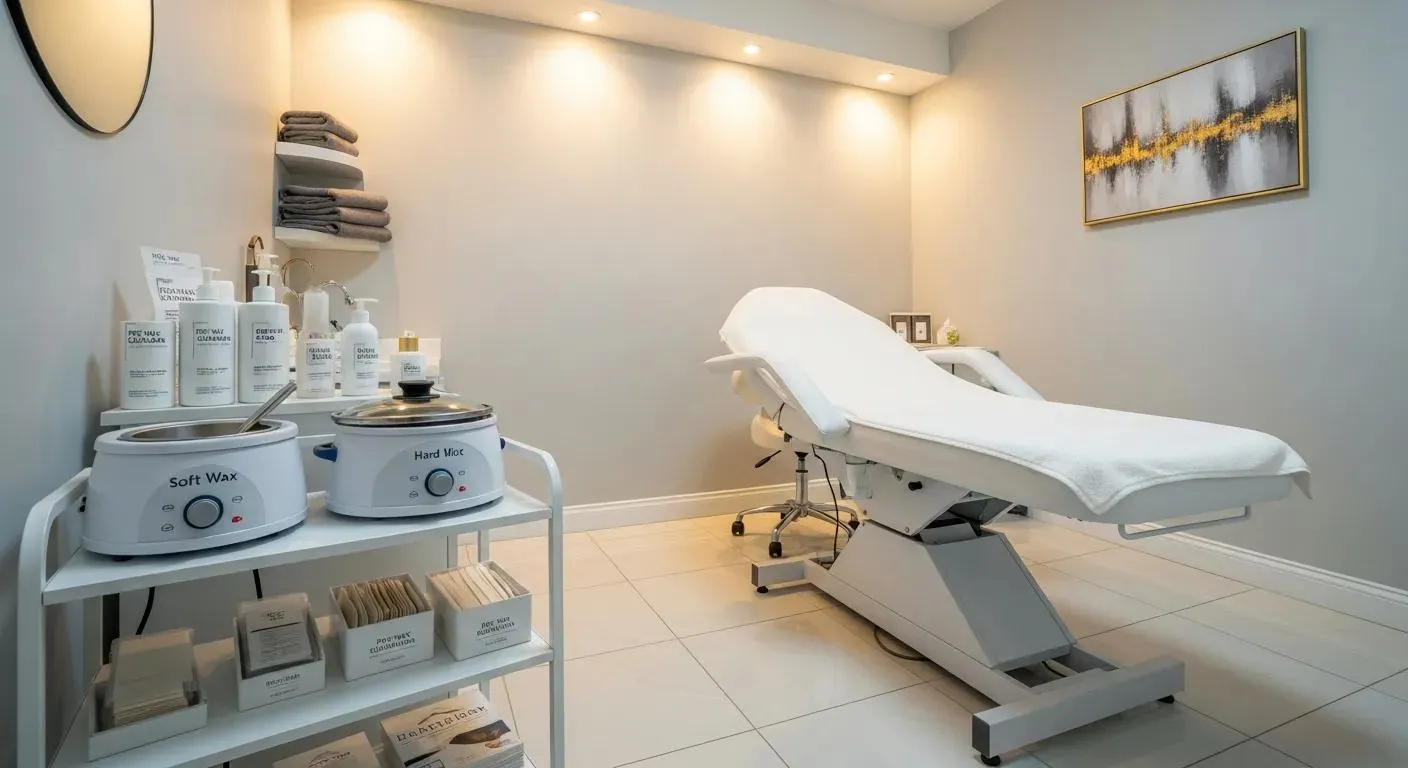
Hygiene protocols apply to every service, not just waxing. Clients booking threading, tinting, or facial treatments benefit from the same standards.
Wooden applicator sticks, strips, and spatulas are single-use and discarded after each client. Any reusable tools are sterilized between appointments so nothing that touched one client's skin touches the next.
Treatment surfaces and chairs are wiped down and disinfected after each appointment. Fresh linens or disposable table coverings are used for every client to reduce the risk of cross-contamination.
Technicians are trained in proper wax temperature control, correct threading tension, and safe technique for sensitive areas. Careful handling reduces the risk of burns, excess pulling, or broken skin during treatment.
Most post-waxing irritation traces back to a handful of avoidable mistakes — either before the appointment or in the days that follow.
If you have a history of allergic reactions or unusually sensitive skin, ask about a small patch test before a full treatment. This is especially worthwhile for clients trying a service for the first time.
Never wax over sunburn, active breakouts, or skin that is already broken or inflamed. Waxing pulls hair (and the top layer of skin) away from the root, and doing this on compromised skin significantly increases the risk of tearing or infection. Reschedule if your skin isn't in a healthy, calm state.
Retinol, retinoids, and chemical exfoliants thin the outer layer of skin and make it more prone to lifting or tearing during waxing. Pause these products for several days before and after a wax appointment.
Small bumps or ingrown hairs can appear in the days after waxing. Picking at them increases the risk of infection and scarring. A warm compress and gentle exfoliation a few days later is a safer way to encourage a trapped hair to release.
Threading is a mechanical hair-removal technique using twisted cotton thread rather than chemicals or heat, which makes it a common choice for sensitive skin and for shaping brows with precision.
Because thread makes direct, repeated contact with the skin, fresh thread for every client and a technician trained in consistent tension are what keep the process safe and comfortable. Uneven tension is what causes unnecessary redness or small nicks.
Expect a quick consultation on the shape you want, a clean working area, and a technician who checks in if an area feels especially sensitive. Mild redness immediately after threading is normal and typically fades within the hour.
A little preparation reduces discomfort and helps technicians work more precisely, whether you're booking waxing, threading, or tinting.
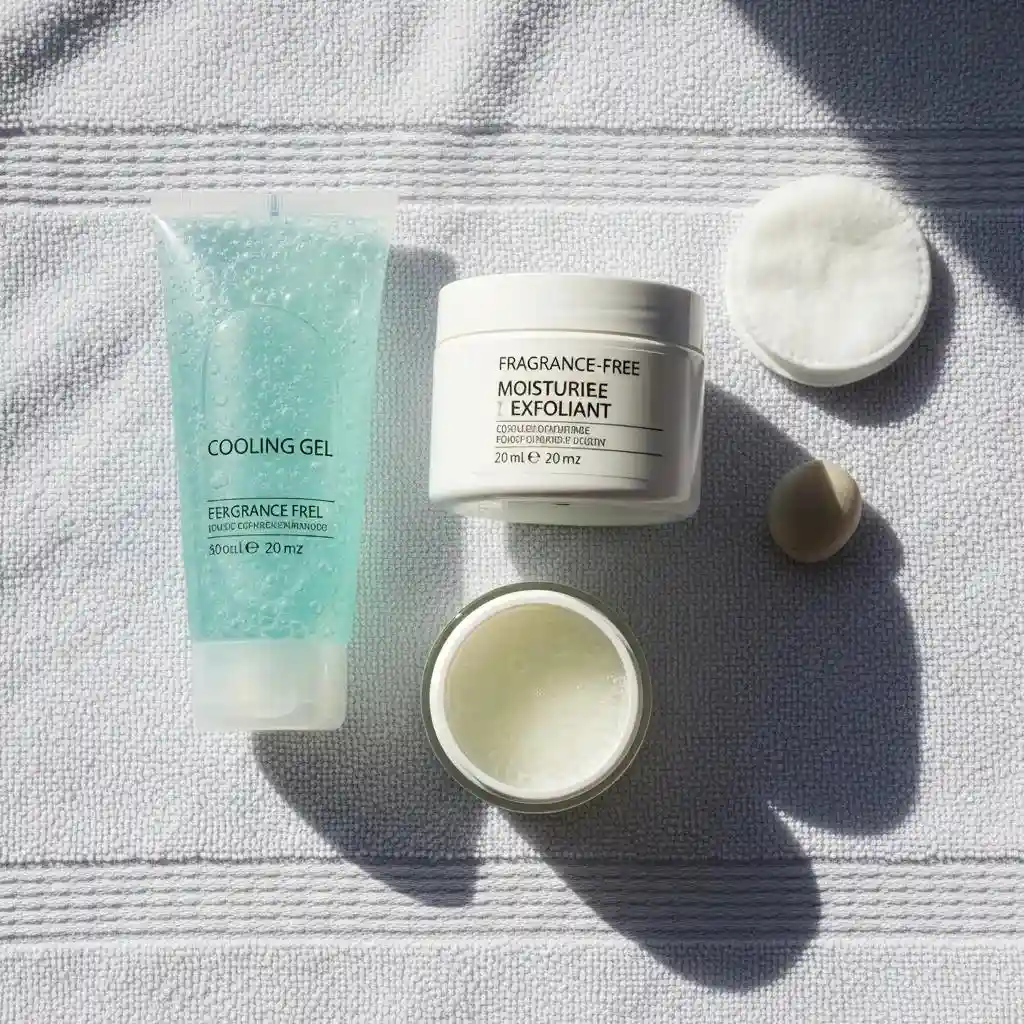
What you do in the first 24-48 hours after a treatment has the biggest impact on how your skin recovers.
Avoid touching the treated area with unwashed hands, skip hot showers or saunas, and hold off on makeup or heavy lotions until any redness has settled.
Use a gentle, fragrance-free moisturizer, keep the area clean, and wait a few days before resuming exfoliation or introducing active skincare products back into your routine.
Mild redness, light swelling, or a few small bumps are a normal short-term response and usually settle within a day or two. If you notice spreading redness, pain that worsens instead of improving, pus, or symptoms that last well beyond that window, contact the salon or a dermatologist rather than waiting it out.
Q: What hygiene protocols does NY Brows follow for waxing and threading? A: Single-use tools for every client, sterilization of any reusable equipment, and freshly disinfected treatment stations between appointments.
Q: How should I prepare my skin before a waxing appointment? A: Let hair grow to about 1/4 inch, exfoliate gently the day before, and avoid sun exposure or strong actives like retinoids for 48 hours beforehand.
Q: Is threading a safer option than waxing for sensitive skin? A: Threading doesn't involve heat or chemicals, which makes it a popular choice for clients with reactive skin, though proper technique and clean thread matter just as much as with waxing.
Q: What should I avoid doing right before a wax or threading session? A: Skip heavy makeup, sun exposure, tanning, and strong exfoliants or retinoids in the 48 hours before your appointment.
Q: How can I tell if a reaction after treatment is normal or needs attention? A: Mild redness or small bumps that fade within a day or two are typical. Spreading redness, worsening pain, or pus is not normal and should be checked by the salon or a dermatologist.
Safe, comfortable results come down to a hygienic salon environment, trained technicians, and a little preparation on the client's end. Whether you're booking a wax, a threading session, or a tint at NY Brows & Threading Salon, following these safety basics before and after your appointment helps you avoid the most common mistakes and keeps your skin healthy between visits.